
What are subluxations and how do they affect my life?
Subluxations don’t always cause pain, but they can quietly interfere with how your body works every day. By affecting spinal motion and nerve communication, they may influence movement, comfort, and overall health. Learning what subluxations are is the first step toward taking better care of your body.
What Is a Subluxation?
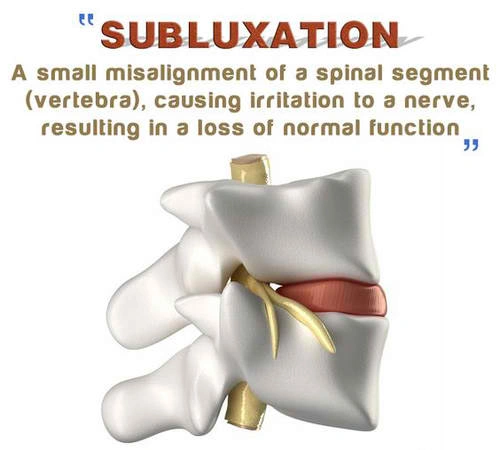
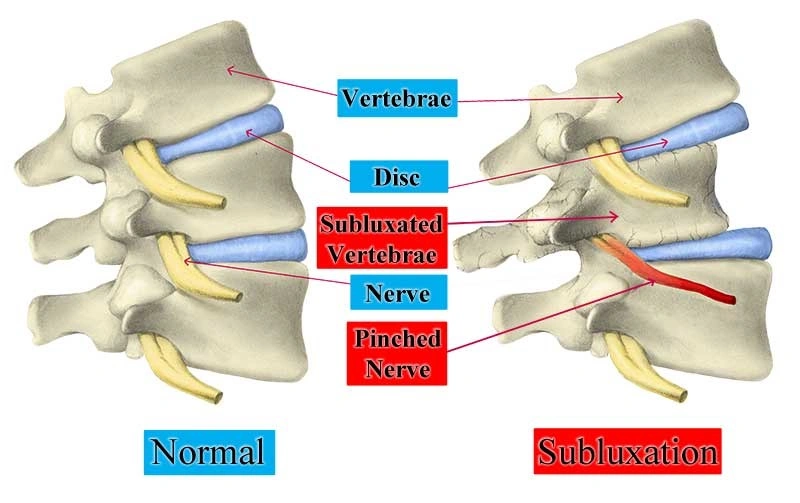
Those nerves are responsible for carrying messages between your brain and your body. When the signal is disrupted, the body may not respond or function the way it’s designed to.
In simple terms, a subluxation creates interference in your nervous system.
Why Subluxations Matter
Your nervous system controls every function in your body: movement, balance, healing, coordination, and organ function.
When spinal nerves are irritated, the messages traveling along them can become distorted. That doesn’t always cause pain right away. In many cases, the body adapts and compensates, masking the problem for years.
This is why people can have spinal issues without obvious symptoms and why problems sometimes seem to “come out of nowhere.”
How Subluxations Happen
Subluxations rarely come from one single moment. Most develop gradually through the stresses of everyday life.
Common contributors include:
Poor posture or prolonged sitting
Repetitive movements or overuse
Slips, falls, or sports injuries
Car accidents (even minor ones)
Physical stress from pregnancy or birth
Emotional stress, which affects muscle tension and posture
Over time, these stresses can cause certain areas of the spine to move improperly. The surrounding muscles and soft tissues adapt to compensate, and nerve function can begin to suffer.
The body is very good at adapting, but adaptation isn’t the same as healing.
What Chiropractors Look For
Doctors of Chiropractic are trained to locate areas of the spine that aren’t moving or functioning properly and correct them with specific spinal adjustments.
The goal isn’t just symptom relief. Chiropractic care focuses on restoring healthy spinal motion, reducing nerve interference, and allowing the body to function more efficiently as a whole.
That’s why many patients notice improvements beyond the area that originally brought them in.
More Than Just a Bone Issue
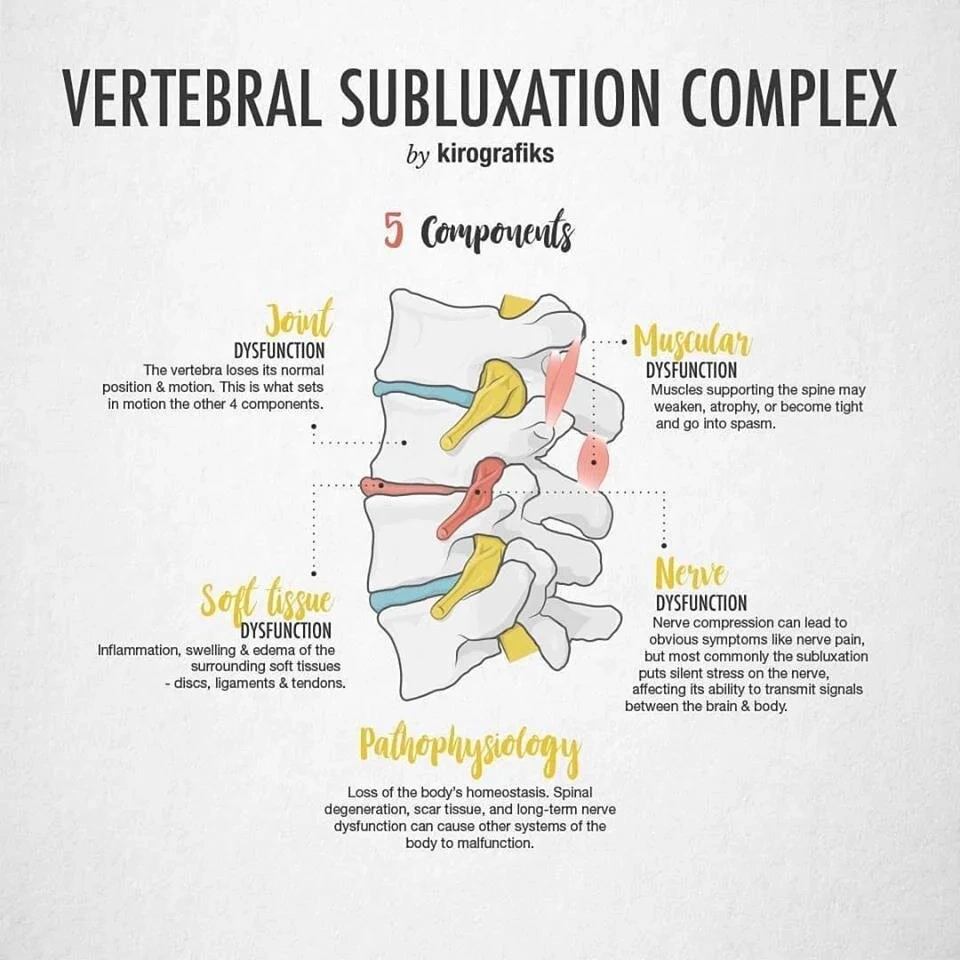
A subluxation isn’t simply a bone being “out of place.” It involves multiple systems responding to faulty spinal motion, often referred to as the Vertebral Subluxation Complex.
When this happens:
Nerves may not transmit signals clearly
Muscles can tighten, weaken, or fatigue
Ligaments and soft tissues adapt to poor motion patterns
The body’s stress and inflammatory responses may increase
All of these changes influence one another, which is why subluxations tend to progress if they’re left uncorrected.
What Happens Over Time
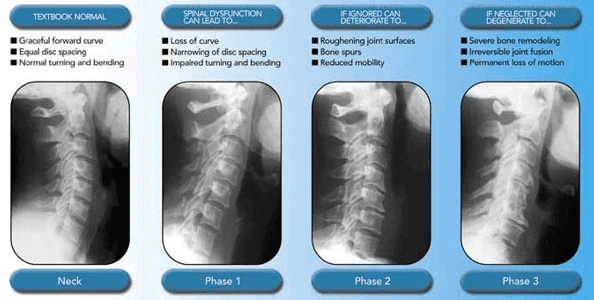
When subluxations persist, the spine gradually adapts to abnormal movement. This process is often called subluxation degeneration.
Early on, changes may be subtle and painless. As time passes, spinal curves can shift, movement becomes more restricted, and structural changes may begin to appear on X-rays. In later stages, stiffness and symptoms are more common.
It’s important to understand that there’s no rigid timeline. Everyone’s body degenerates and heals at a different pace.
Why Early Care Makes a Difference
Addressing subluxations earlier generally means:
Easier correction
Less long-term stress on the nervous system
Better preservation of motion and spinal health
That said, chiropractic care can still be beneficial at any stage of life. Even when changes are long-standing, improving motion and nerve function can positively impact comfort, mobility, and overall quality of life.
Our Approach at Life is Good Chiropractic
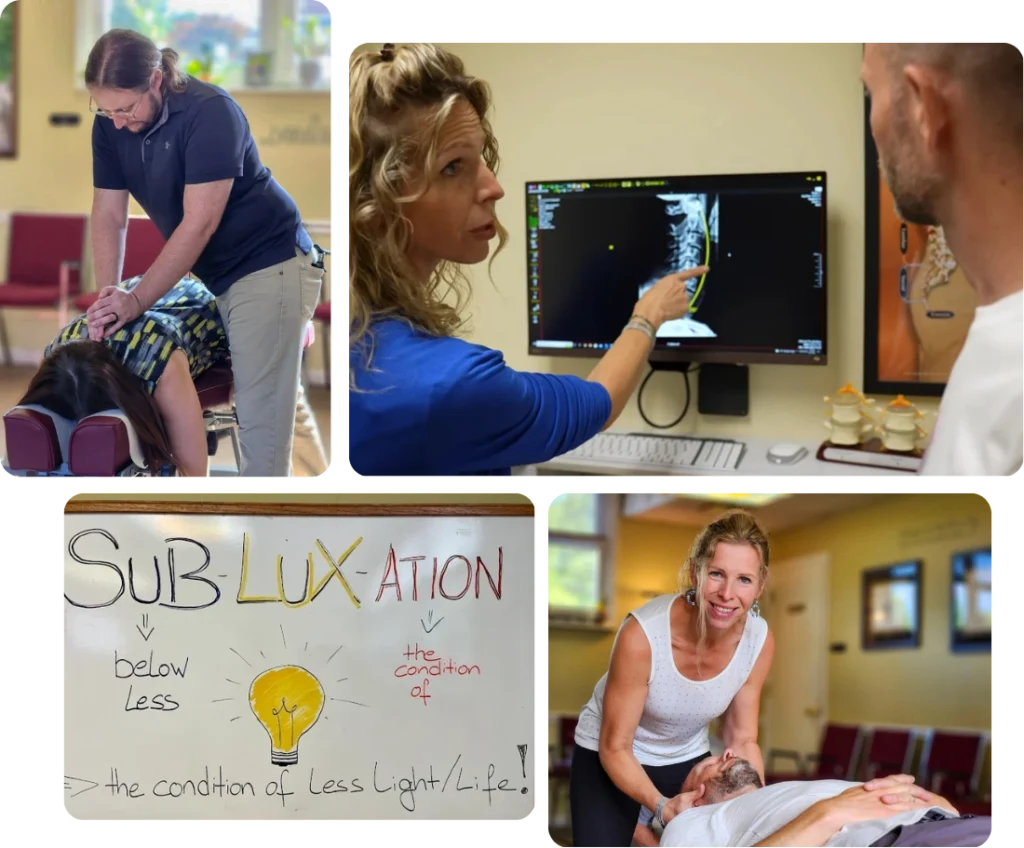
At Life is Good Chiropractic, we focus on how your spine is functioning, not just where you feel pain.
Through thorough exams and on-site X-rays when needed, we identify areas of interference and create personalized care plans designed to support long-term spinal health. Progress is reviewed regularly so care stays intentional, measurable, and aligned with your goals.
Every spine tells a story.
Our role is to help yours move in a healthier direction.
Frequently Asked Questions
What is a subluxation?
A subluxation is when one or more spinal bones lose proper movement or alignment and begin to interfere with nearby nerves. This interference can disrupt communication between the brain and body, affecting how the body functions even if pain is not immediately present.
Can I have a subluxation without feeling pain?
Yes. Subluxations do not always cause pain right away. Many people have spinal nerve interference for years without symptoms because the body adapts and compensates. This is why problems can sometimes seem to appear suddenly, even though they developed gradually.
What happens if subluxations are left untreated?
Over time, the spine can adapt to abnormal movement, a process sometimes called subluxation degeneration. Early stages may be painless, but later stages can involve reduced mobility, structural changes, stiffness, and more noticeable symptoms.
Can chiropractic care still help if I’ve had spinal issues for years?
Yes. Chiropractic care can be beneficial at any stage of life. Even long-standing spinal changes can often be improved by restoring motion, reducing nerve interference, and supporting overall comfort, mobility, and quality of life.
How does Life is Good Chiropractic approach subluxation care?
Life is Good Chiropractic focuses on spinal function, not just symptom relief. Through thorough evaluations and on-site X-rays when appropriate, personalized care plans are created to support long-term spinal health. Progress is reviewed regularly to ensure care remains intentional, measurable, and aligned with each patient’s goals.